- Sy.No.819/Part, Kistapur Road, Medchal, Hyderabad.
- 9440247110
info@techmechcranes.com

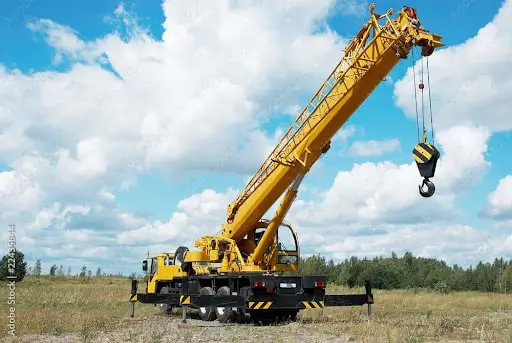
TechMech Cranes is an industrial equipment supplier specializing in material handling, it was founded in 2011 by a team of engineers and associates. The company provides crane systems and associated equipment for businesses with diverse lifting and material handling requirements.
Buyers must look beyond equipment cost when evaluating crane suppliers in India. The suitability of any proposed system will be dictated by the load characteristics, working envelope, operating frequency, installation conditions and project scope.
TechMech Cranes offers a range of industrial lifting equipment to measure up to these demands and assist companies in identifying the information required to discuss a suitable solution for their facilities.
The type of work, the materials to be handled, and the layout of the facility all influence the requirements for industrial cranes. The first step in choosing a suitable system is to specify the lifting job, route, frequency of operation and site constraints. TechMech Cranes manufactures a range of crane and lifting equipment types, giving buyers a catalog of crane and lifting equipment types to find configurations suitable to their operational needs.
EOT and overhead crane systems are used to move materials over a defined working area. Buyers should determine the required capacity, span, lifting height, duty cycle and available headroom before the specifications of these systems can be finalized. The building structure and arrangement of the runway must also be taken into account in project planning.
Gantry and semi-gantry systems may be appropriate for projects where the available space and support structure dictate a ground-supported or partially ground-supported arrangement. Their suitability depends on the working area, the layout of the rail, the travel requirements and the load characteristics. Configuration should be decided based on site conditions.
Jib cranes can provide localized lifting capabilities in production areas, workshops and workstations. The choice of one or the other depends on the required reach, the lifting capacity, the rotation, the mounting arrangement and the available clearance. Buyers should also consider how the crane will interface with surrounding machinery and material flow.
Electric hoists and winches are used to assist with specific lifting or pulling tasks in compatible equipment configurations. Before choosing a model, it is necessary to determine what capacity is required, what distance of travel is required, what operating speed is required, and how often it will be used. It is the buyer’s responsibility to ascertain the intended use of the equipment and its compatibility with the overall system.
The selection of the correct crane is dependent on the material handling task, not on the industry name. The following comparison is a starting point for discussions with a supplier about requirements.
| Equipment Type | Potential Application | Important Selection Factors |
|---|---|---|
| EOT crane | Movement of materials along factory or workshop bays | Load, span, lift height and duty |
| Double-girder EOT crane | Applications requiring a suitable double-girder arrangement | Capacity, headroom, span and operating frequency |
| Gantry crane | Handling in appropriate yards or open work areas | Site layout, travel and supporting surface |
| Semi-gantry crane | Facilities with a compatible partial runway arrangement | Building layout, rail position and load |
| Jib crane | Lifting at individual workstations | Reach, rotation and mounting |
| Electric hoist | Vertical lifting within a compatible installation | Capacity, lift height and duty |
| Electric winch | Specified pulling or lifting operations | Line pulls, travel and operating conditions |
These are the general selection criteria. The final equipment specifications should be determined based on the application, engineering requirements and relevant safety provisions.
The manufacturing and engineering businesses in India have different needs for movement of raw materials, components, assemblies and finished goods. For example, in a fabrication facility, the lifting system may have to handle long or bulky sections. A production plant may instead focus on repeatable movement between work stations, while a warehouse may require coordination of lifting with storage and loading operations.
Heavy engineering, automotive, steel, power, logistics and infrastructure facilities may also need different combinations of capacity, reach, travel and operating frequency. Such differences make the evaluation of applications a key component of the procurement process.
When contacting industrial crane suppliers, buyers should not describe a general industry classification but the actual task. Information about material dimensions, load weight, movement paths, available space and daily usage helps to set up a more useful technical discussion.
When comparing crane suppliers in India, buyers should pay attention to whether the proposed equipment meets the technical requirements of the project and whether the volume of work is clearly defined in the commercial offer. Verify the engineering suitability, installation requirements and agreed project scope. This will help businesses to compare quotations more effectively.
It is important to determine the maximum load that will be handled by the device. All specifications like dimension, shape, handling method, and other related aspects need to be considered in detail.
Make sure that you also take note of the required area to ensure the crane can move at full range. The available space in the work area will determine its operational capability. Make sure the measurements are accurate to make the most of the available space.
The frequency of operation and the work environment are other important factors to be considered. For high frequency work, a more durable crane system will be needed while environmental elements like moisture, heat, dust, also can impact how the crane actually works.
Check suitability of existing structure, runway, foundation and clearances for proposed layout. The electrical supply, access for installation and space for maintenance should also be considered. Where necessary, obtain a suitable structural and engineering assessment prior to installation.
Discuss with the supplier the proposed specifications, inspection arrangements, documentation and responsibilities for delivery and installation. Please confirm whether commissioning, operator guidance, preventive maintenance, repairs and spare parts are included or available separately. The quotation should clearly set out the agreed scope and applicable terms.
A well-defined procurement process helps link the operational requirement to an appropriate equipment specification. The process usually starts with gathering information of the load, site dimensions, movement requirements and operating conditions. These inputs are then utilized to evaluate suitable equipment configurations and determine the project scope.
The scope may cover engineering, customization, manufacturing or supply, inspection, transport, installation and commissioning depending on the order. Not all projects have all stages so buyers should check which activities the supplier will undertake and which responsibilities remain with the customer.
Please review the technical specification, inclusions, exclusions, delivery terms and documentation requirements prior to approving a proposal. This enables them to compare quotes and not to compare prices without knowing the differences in scope.
Founded in 2011 by a group of engineers and associates, TechMech Cranes has a portfolio of several crane configurations and related material-handling equipment. This gives industrial buyers a base to discuss different lifting requirements with a provider with several equipment categories.
The discussion of a productive project should start with the planned use, load capacity, working dimensions, operating conditions and installation site. Details like these help decide the relevance of the equipment in question and what further technical details might be necessary.
Buyers are also encouraged to review the specifications and commercial terms offered for their particular project. Equipment suitability, installation arrangements, service commitments and delivery schedules should be determined from direct inquiry rather than from any general product description.
Site conditions, building layouts and material handling priorities can vary for industrial facilities in India. Businesses looking for crane suppliers in India must verify that the supplier can cater to their project location, equipment needs and the agreed service scope before placing an order. TechMech Cranes is based in Medchal, Hyderabad, Telangana and provides a range of material handling equipment. Buyers intending for doing projects at other places in India should confirm from the seller about availability of delivery, installation, commissioning & local after sales service at their place and for the specific order. If you are requesting information, please also advise the project location, application, load details and expected operating conditions. Early provision of these inputs facilitates clarification of the equipment category, technical assessment and commercial details needed for the next stage.
Provide the load capacity, span, lifting height, travel distance, operating frequency, application and project location. Site drawings, photographs and details of the existing structure can help clarify the requirement. Additional information may be needed before a technical proposal can be prepared.
Compare the technical specifications, equipment configuration, included components, inspection requirements, delivery terms, installation scope, warranty and after-sales provisions. Ensure that each quotation addresses the same operating requirements and project boundaries before comparing the total price.
Yes, a crane may be considered for an existing facility, subject to the building dimensions, structural suitability, available headroom, runway arrangement and installation access. An appropriate technical assessment is necessary to determine whether the proposed configuration can be accommodated.
The timeline may depend on specification finalization, design requirements, customization, component availability, manufacturing or procurement, inspection, transportation and site readiness. Buyers should request a project-specific schedule and confirm the milestones and dependencies in the supplier's proposal.
Confirm the approved equipment specification, structural readiness, installation access, electrical arrangements, required clearances and responsibilities of each party. Inspection, testing, commissioning and handover requirements should also be agreed upon before work begins.
Discuss inspection intervals, preventive maintenance, wear components, spare-parts availability, fault reporting and repair arrangements. The maintenance plan should reflect the equipment manufacturer's recommendations, operating conditions and actual usage.
Start with the load, required movement, span, lifting height, duty cycle and site layout. These details help narrow down the options, but the final choice should be based on a technical assessment of the application and relevant safety requirements.
TechMech Cranes have a strong tradition of being designed and built to provide reliable material handling solutions for our valued domestic and international customers.